
Comparing Betting App Features, Exchange Liquidity and Margins
Most guides to UK betting sites lead with welcome offers — deposit a tenner, get thirty quid in free bets. That’s fine if you’re placing your annual Grand National flutter and never logging in again. But if you’re betting on horse racing with any regularity, the welcome bonus is the least important factor in choosing where to open an account. What matters is whether the site consistently gives you better odds, useful racing tools, and a platform that doesn’t obstruct your ability to bet when you want to.
There are approximately 24.4 million active online gambling accounts registered in the UK, and the vast majority of those account holders have chosen their primary betting site based on marketing rather than value. That’s an advantage for the informed bettor — because the sites competing hardest for recreational customers through bonuses and promotions are often the same sites offering the sharpest odds on horse racing to attract serious volume.
This comparison focuses on the five criteria that actually affect your long-term returns when betting on UK horse racing.
The Five Criteria That Actually Matter for Horse Racing Bettors
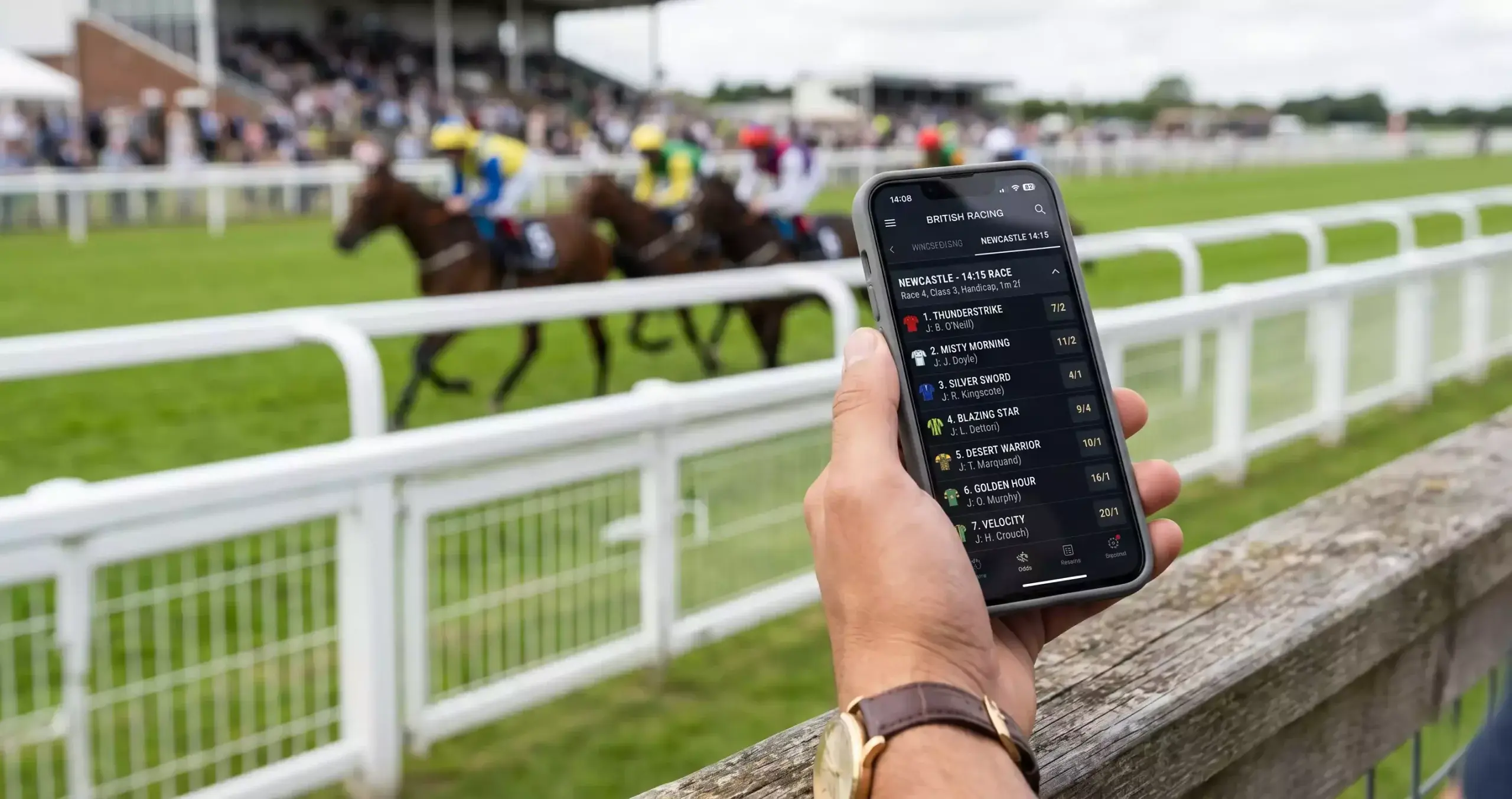
The first and most important criterion is odds quality. A site that consistently offers 7/2 on a horse when the industry average is 3/1 is giving you roughly 17% more return on every winning bet. Over hundreds of bets, that compounds into a substantial difference in profit or loss. Odds quality varies between bookmakers and fluctuates by race — no single site has the best price on every runner in every race. The only way to guarantee you’re getting competitive odds is to compare prices across multiple sites before placing each bet.
The second criterion is Best Odds Guaranteed. BOG is one of the most valuable promotions in horse racing betting because it gives you the higher of the price you took and the starting price — at no extra cost. During the Cheltenham Festival in 2026, bet365 alone paid out more than £50 million under their BOG promotion, which gives some sense of how much money moves through this mechanism. A site that offers BOG on all UK and Irish racing is significantly more valuable than one that restricts it to selected meetings or drops it during major festivals.
The third is live streaming. Watching races live isn’t just entertainment — it’s an analytical tool. If you’re betting in-play or assessing paddock behaviour remotely, live video is essential. Most major UK bookmakers offer live streaming of UK and Irish racing to funded account holders, but the quality, reliability, and delay vary. A stream with a three-second delay is usable for pre-race paddock assessment; a stream with an eight-second delay is almost useless for in-play betting.
The fourth is racing-specific features. Does the site offer detailed race cards with form, speed ratings, and trainer statistics? Does it provide early morning prices and a clear odds comparison against the SP? Does it show market movements in real time? These features save time and improve decision-making. A site that forces you to go elsewhere for form data and odds comparison is costing you the one resource more valuable than money — time.
The fifth is account restrictions. This is the uncomfortable reality of UK horse racing betting: bookmakers restrict winning accounts. If you consistently back winners at above-market prices, your stakes will be limited, your access to early prices will be curtailed, and in some cases your account will be closed. No bookmaker advertises this openly, but it’s industry-standard practice. Choosing sites with a reputation for greater tolerance of winning customers — or supplementing bookmaker accounts with an exchange account where restrictions don’t apply — is essential for anyone betting seriously.
How Major UK Sites Compare on Odds Quality and Racing Features
The UK market splits broadly into three tiers for horse racing bettors.
The large traditional bookmakers — the names you see on high street shop fronts and stadium advertising — offer the widest range of markets, the most comprehensive BOG policies, and solid live streaming. Their odds quality on horse racing is generally competitive because they’re handling enormous volumes and can afford tighter margins on racing to attract the recreational traffic that funds their football and casino operations. The trade-off is that these are also the firms most aggressive about restricting winning accounts — large volumes of data allow them to identify profitable customers quickly.
The mid-tier operators — firms that compete primarily online without a major high street presence — tend to be more generous with odds on selected races but less consistent across the full card. Some offer early morning prices that are genuinely above the market average, but the prices may drift or be pulled before you can get on. Live streaming and form data tend to be less polished, and BOG may be restricted to certain meetings. These sites are best used selectively — take the early price when it’s available but don’t rely on them as your primary account.
The exchanges — principally Betfair, with Smarkets as a smaller alternative — operate on a fundamentally different model. You’re betting against other customers, not against the house, which means there’s no bookmaker overround eating into your returns. The commission structure — typically 2-5% on net winnings — is substantially lower than the 15-25% overround embedded in traditional bookmaker prices. The disadvantage is that exchange liquidity on smaller races can be thin, meaning you might not get matched at the odds you want. For anyone betting seriously on UK racing, an exchange account is not optional — it’s the single best tool for ensuring you have access to fair odds on every race.
Why Serious Punters Use Multiple Accounts
The maths here is simple and compelling. If you bet exclusively with one bookmaker, you accept whatever odds that firm offers — including races where they’re significantly below the market average. If you maintain accounts with three or four bookmakers plus an exchange, you can take the best available price on every selection. The difference between consistently getting the best price and consistently getting an average price is the difference between a profitable year and a losing one.
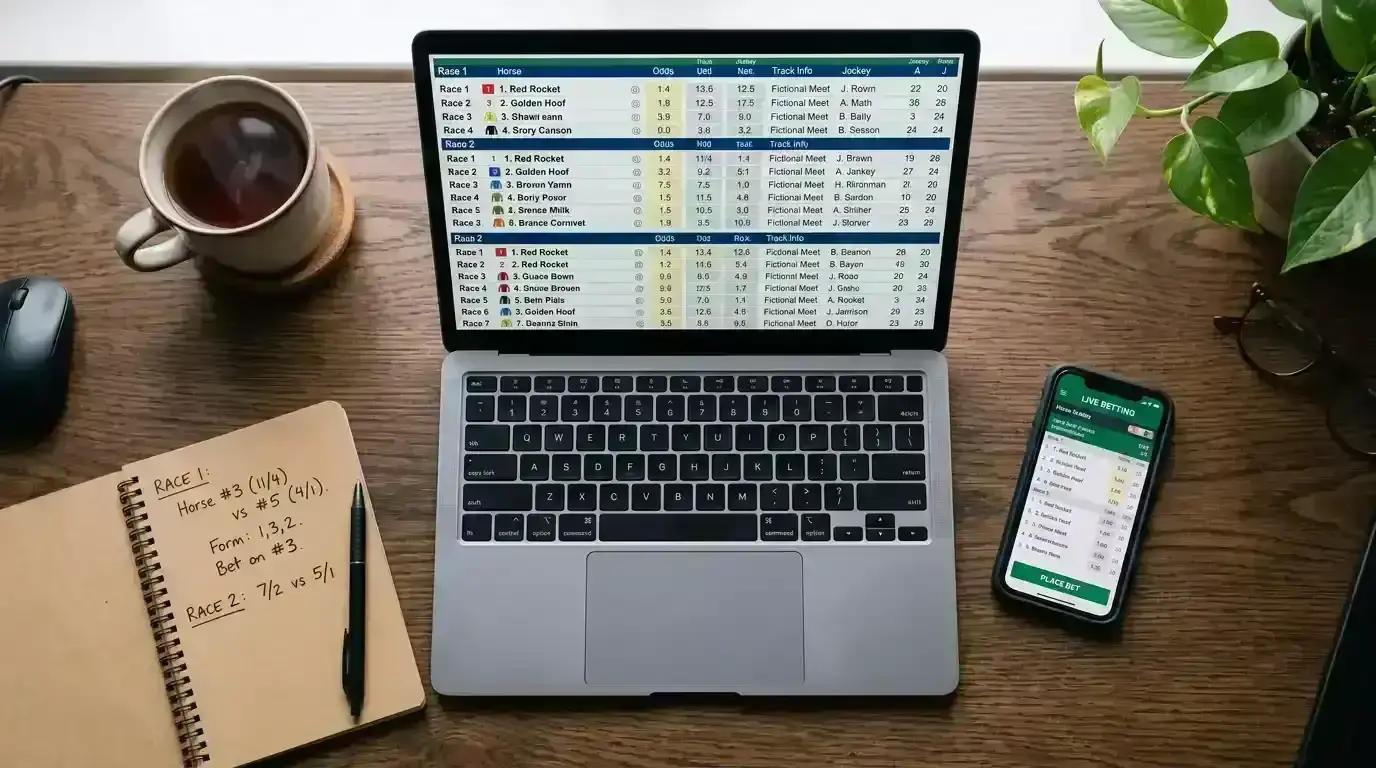
I maintain active accounts with four traditional bookmakers and two exchanges. Before every bet, I check the price across all six. It takes 30 seconds and frequently yields an extra one or two ticks on the odds — 9/2 instead of 4/1, or 7/1 instead of 6/1. Those ticks don’t feel significant on a single bet, but across 500 bets in a year they add several percentage points to my ROI. That’s the difference between the 2-3% of bettors who profit and the 97% who don’t.
The practical challenge is managing multiple accounts — deposits, withdrawals, and keeping track of your bankroll across platforms. I use a simple spreadsheet that records every bet with the site used, the odds taken, and what the best alternative price was. Over time, this shows me which sites are consistently offering value and which are consistently below market — and I adjust my deposit allocation accordingly.