
Exploiting Pace Collapses Using Live Exchange Data
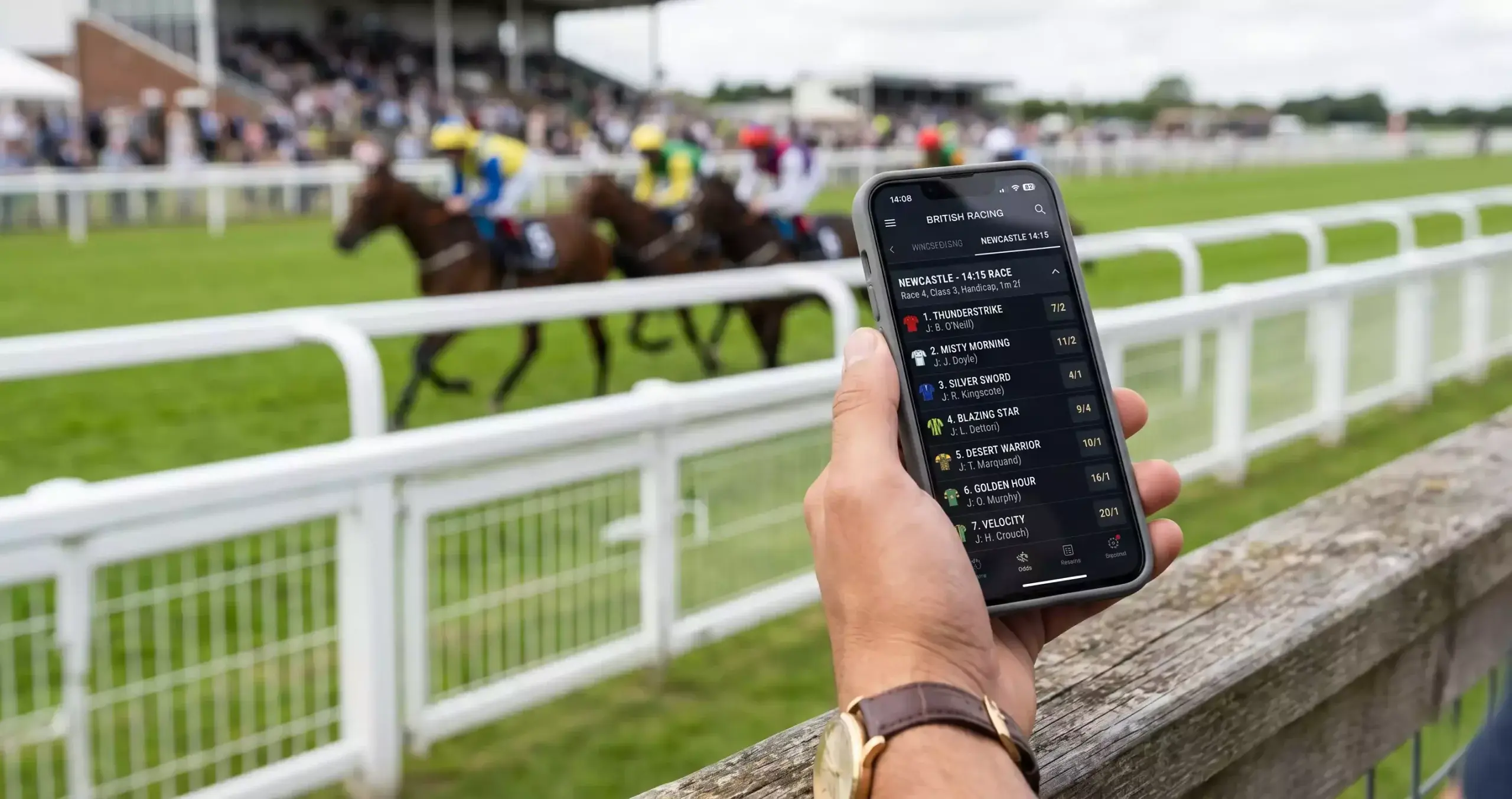
Most horse racing bets are placed before the race starts. You study the form, assess the odds, commit your stake, and watch. In-play betting flips that model — you watch first, assess what you’re seeing, and bet during the race itself. It’s the closest horse racing gets to real-time market trading, and it rewards a completely different skill set from pre-race analysis.
Online real event betting gross gambling yield rose 5% year on year in the final quarter of 2024/25, reaching £596 million. In-play markets across all sports have grown consistently as mobile technology and live streaming make it possible to bet during an event from anywhere. Horse racing in-play is smaller than football or tennis in-play by volume, but the margins for a skilled bettor are wider — because reading a horse race in running requires knowledge that most casual punters don’t have, creating genuine information asymmetry.
I’ve been trading in-play on exchanges for five years, and the learning curve was steep. But the rewards — both in profit and in the depth of understanding you develop about how races unfold — have been worth the early mistakes.
Reading the Race: Pace, Position, and Running Style
The fundamental skill in in-play horse racing betting is race reading: the ability to interpret what’s happening in a race as it unfolds and predict how it will finish based on what you’re seeing. This is not guesswork — it’s pattern recognition built through watching thousands of races with analytical intent.
Pace is the first thing I assess. Is the race being run fast or slow relative to the distance and ground conditions? A pace that’s too quick for the conditions burns out front-runners early, which creates value on horses held up at the back of the field. A dawdling pace compresses the field, which favours prominent racers who kick early and horses with tactical speed rather than sustained stamina. Knowing the expected pace scenario — based on the front-running tendencies of the declared runners — gives you a framework for interpreting what you’re seeing in real time.
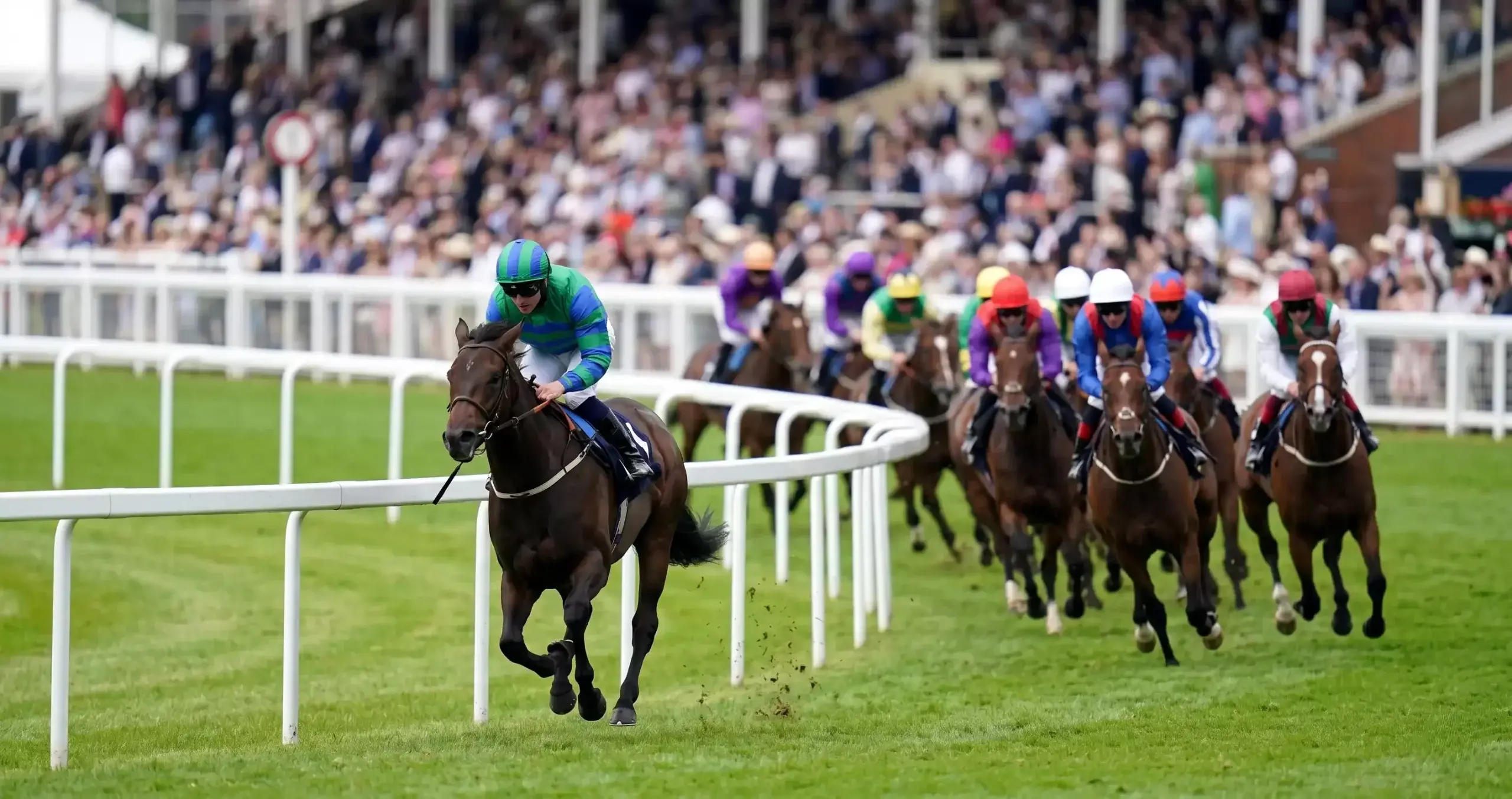
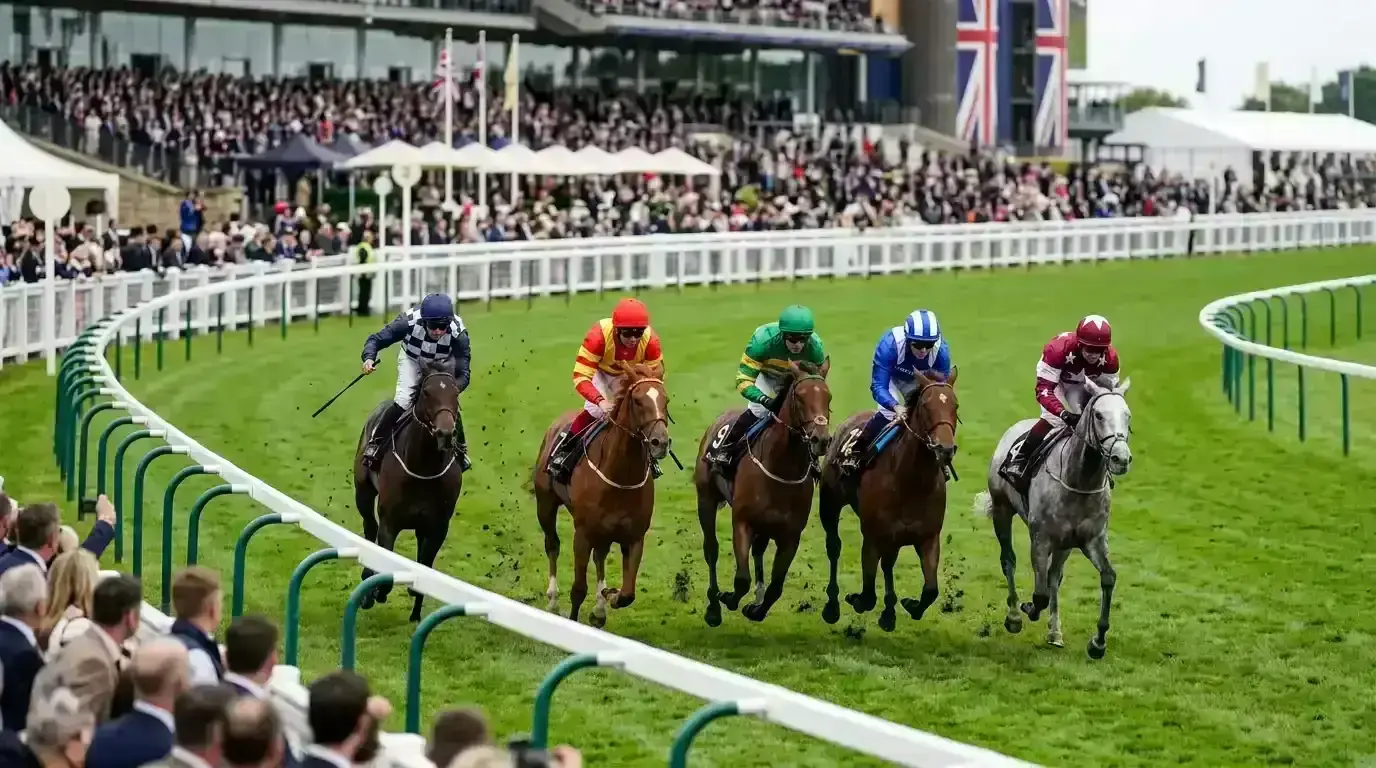
Position matters because horse racing tracks are not straight lines. A horse racing wide around bends covers more ground than a horse on the inside rail. In a race of a mile or longer, a horse that races three wide throughout can cover 20 or 30 yards more than a horse on the rail — the equivalent of several lengths in a close finish. When I see a horse travelling well but stuck wide on the turn into the straight, I know its chance is reduced relative to what the pre-race form suggested, and the in-play market may not have fully adjusted.
Running style — how a horse travels during the race — is the subtlest but most valuable indicator. A horse that’s being pushed along by its jockey two furlongs out, with its head up and stride shortening, is unlikely to produce a finishing effort regardless of its pre-race form. A horse that’s travelling on the bridle — relaxed, rhythmic, ears pricked — with ground to make up has a better chance than its current position suggests. The gap between how a horse looks and where it is in the field creates the pricing errors that in-play bettors exploit.
Exchange In-Play Markets: How Prices Move During a Race
In-play exchange prices on horse racing move with extraordinary speed. A horse’s price can halve or double in the space of a furlong as its position and running style become apparent to the market. The exchange overround on horse racing back markets typically sits at 101-105%, far tighter than the 115-125% you see at traditional bookmakers — and in-play markets are even thinner because the matching engine has to process rapid price changes as the race unfolds.
Prices early in a race tend to reflect pre-race expectations rather than what’s actually happening. If a horse was 3/1 pre-race and is settled midfield at the halfway point of a mile race, its in-play price will typically be close to its pre-race price — because nothing has happened yet to change the assessment. The price moves come in the final third of the race, when the pace scenario resolves, the contenders separate from the also-rans, and the jockeys begin riding for position.
The fastest price movements happen at two points: the turn into the home straight (when positional advantages and disadvantages become clear) and the final furlong (when the outcome becomes apparent). If you’re going to bet in-play, these are the windows where the most value exists — but they’re also the windows where the delay between what you see and what price you can get is most critical.
Managing Risk: Delay, Liquidity, and the Discipline to Walk Away
The single biggest risk in horse racing in-play betting is the delay between what you see on screen and what’s actually happening on the track. Live streams carry a delay of one to five seconds depending on the platform. Exchange matching adds another fraction of a second. In a sport where a horse can go from midfield to the lead in three seconds, a combined delay of three to five seconds means you’re betting on information that may already be outdated by the time your bet is matched.
I manage this risk by betting on situations rather than moments. Instead of trying to back a horse the instant it moves into contention — a reaction that the delay will almost certainly punish — I look for structural situations where the odds haven’t adjusted to a change in the race dynamics. If the pace has collapsed and the entire field is bunched at the two-furlong pole, prominent racers who looked well placed at the halfway point are now in trouble, and closers who were out of the picture have suddenly entered the equation. That scenario takes 10-15 seconds to develop, which gives me enough time to act even with the delay.
Liquidity is the second risk factor. In-play exchange markets on small midweek races can be virtually empty — a few hundred pounds available at any given price. Trying to place a meaningful stake into a thin market will move the price against you before your bet is fully matched, eroding the value you saw. I restrict my in-play betting to races with substantial pre-race exchange turnover — typically Premier fixtures at major courses — where the in-play market is deep enough to absorb my stakes without significant price impact.
The discipline to walk away is the hardest part. In-play betting is engaging in a way that pre-race betting isn’t — the immediacy, the visual feedback, the rapid price changes all create a psychological pull towards overtrading. The profitable in-play bettor watches 20 races for every one they bet on. They have predefined scenarios they’re waiting for, and if those scenarios don’t materialise, they don’t bet. The temptation to “have a crack” because a horse looks good at the two-furlong pole is the gateway to undisciplined losses — and it’s the habit that separates the recreational in-play gambler from the profitable in-play trader.