
Structuring Ticket Costs for High-Carryover UK Pool Bets
Single-race bets test whether you can find the winner. Multi-race bets test whether you can find the winner three or four times in a row — and that’s a fundamentally different skill. I came to Pick 3 and Pick 4 wagering late, after years of focusing on win bets and exactas, and what struck me immediately was how much more my overall form analysis mattered. In a single race, luck can override everything. Across three or four races, sustained judgement is the only thing that survives.
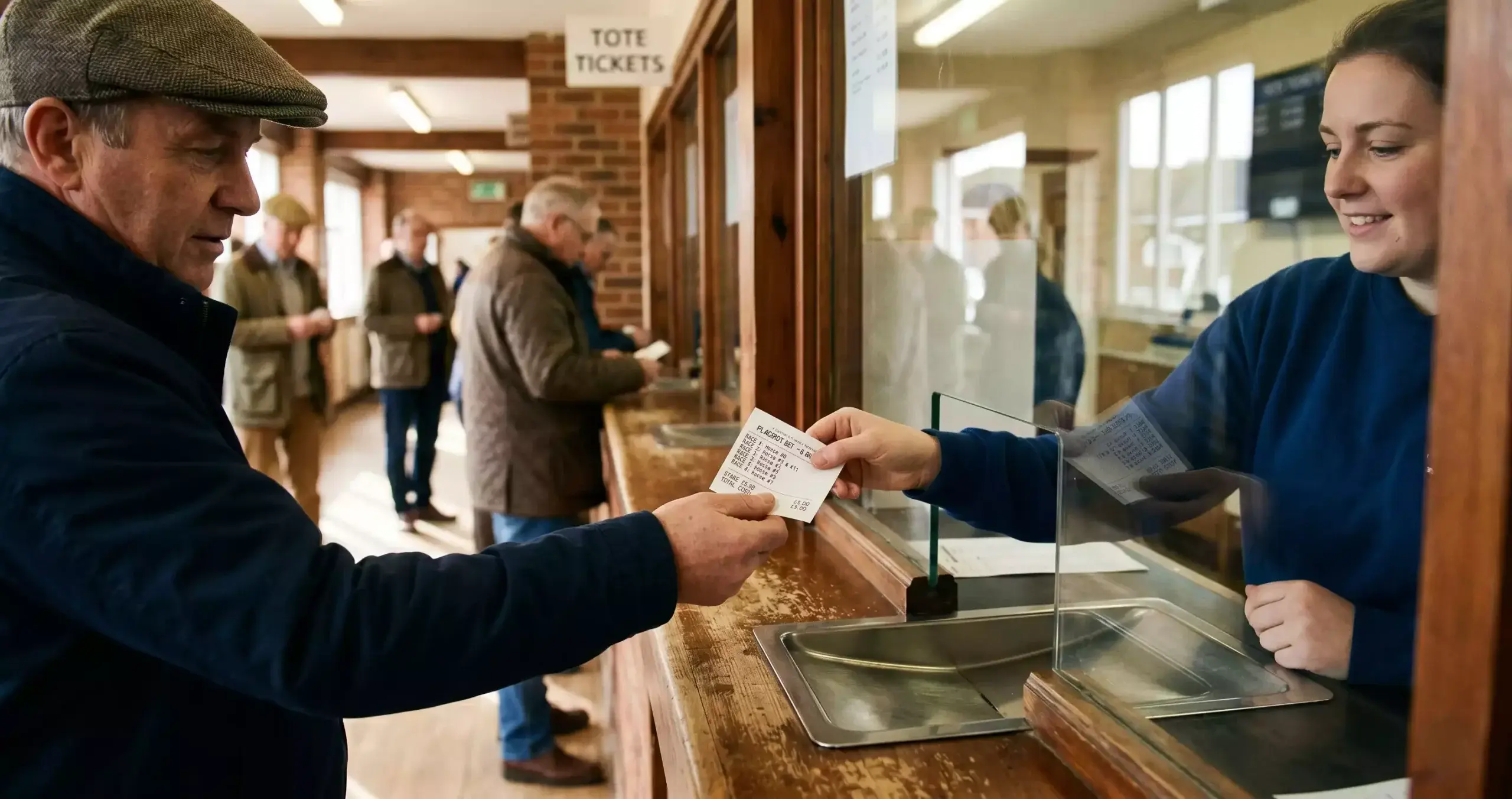
A Pick 3 requires you to select the winner in three consecutive races. A Pick 4 extends that to four. These are pool bets — all the money wagered goes into a central pool, the operator takes a percentage (the takeout), and the remaining pool is divided among winning ticket holders. The payouts depend on how many people picked the same combination, which means targeting unpredictable legs can produce enormous returns even from small stakes.
Total betting turnover on UK racing fell 4.3% in 2025, with a cumulative decline of 10.3% since 2023. Pool bets have felt that squeeze, but the flip side is that smaller pools mean fewer winning tickets on difficult combinations — and bigger dividends per winning unit when you do get through.
Pick 3 and Pick 4 Ticket Structure: Singles, Spreads, and Key Horses
The difference between a profitable Pick 3 player and a losing one almost always comes down to ticket construction. I’ve seen people scatter five horses across every leg and wonder why their 125-permutation ticket costs more than the likely dividend. The art is in balancing coverage against cost — and that starts with categorising each race.
I split every leg into one of three categories. A single is a race where I have a strong view on one horse — I’m confident enough to use a single selection. This is the leg that keeps my ticket cost down. A spread is a race where I can identify the winner but can’t narrow it below three or four contenders — this is where I need coverage, and where my ticket cost multiplies. A key horse is somewhere between: I have a main pick but want to include one backup in case my primary selection doesn’t fire.
A Pick 3 with singles in all three legs costs just 1 permutation — 1 unit. A Pick 3 with a single in leg one, two horses in leg two, and three horses in leg three costs 1 x 2 x 3 = 6 permutations. A full spread of four horses across all three legs costs 4 x 4 x 4 = 64 permutations. At 1 pound per unit, that’s 64 pounds — which only makes sense if the expected dividend is well above that level.
My standard approach is to use a single in at least one leg, a key horse with one backup in a second leg, and a spread of three in the third leg. That gives me tickets in the range of 1 x 2 x 3 = 6 to 1 x 2 x 4 = 8 permutations. Manageable cost, meaningful coverage, and the discipline of having at least one strong opinion per ticket.
Managing Ticket Costs: Budget-Friendly Permutation Strategies
The maths of permutations is unforgiving. Every additional horse in any leg multiplies your total cost. A ticket with three legs of two horses costs 8 permutations. Change one leg to three horses and it jumps to 12. Change two legs to three and it’s 18. Three legs of three is 27. The cost curve is geometric, not linear.
I set a hard budget for Pick 3 tickets — never more than 20 pounds per sequence. That means my total permutations at a 1-pound unit stake can’t exceed 20. At a 50p unit, I can cover up to 40 permutations. This budget forces discipline: if I can’t get the ticket below 20 permutations, I either need to find a single in one of the legs or walk away from the sequence entirely.
One effective cost-control technique is to separate your legs by type. If one race is a conditions event with a clear favourite, that’s your single leg. If another is a wide-open handicap, that’s your spread leg. The typical overround on UK racing markets sits at 15-20%, and that takeout applies within pool betting too — so your selections need to overcome both the pool takeout and the difficulty of picking winners in competitive fields. Using a single in the most predictable leg and spreading in the most uncertain one is the most capital-efficient structure.
Another approach is running multiple cheap tickets instead of one expensive ticket. Two Pick 3 tickets at 4 permutations each (8 pounds total) give you the flexibility to have different combinations in one or two legs without the geometric cost explosion of a single broad ticket. I often run two parallel tickets with the same singles but different spreads, covering slightly different scenarios for the same total outlay.
Targeting the Right Sequences: Pool Size and Carryovers
Not all Pick 3 sequences are equal. The choice of which three consecutive races to target is as important as the selections within them.
The first consideration is pool size. Larger pools mean larger dividends for unusual combinations. Feature race days — Saturday afternoons at Ascot, Newbury, York, or Cheltenham — generate the biggest pools because more punters participate. A weekday afternoon at a minor course might have a Pick 3 pool of a few hundred pounds, producing dividends that barely justify the effort. I focus my Pick 3 activity on days with at least 5,000 pounds in the pool, which generally means Premier fixtures and festival meetings.
Carryovers are the most powerful dividend inflators. When no one lands the Pick 3 or Pick 4 on a given day, the pool (or a portion of it) carries over to the next designated race day. A carryover pool that’s accumulated over two or three meetings can be several times larger than the normal pool, meaning every winning ticket pays dramatically more. I track carryover pools through the Tote website and prioritise sequences where a carryover is in play.
The composition of the three races matters too. A sequence containing one wide-open handicap is ideal — it creates the possibility that most tickets in the pool are eliminated on that leg, concentrating the dividend among the few who got through. Two wide-open handicaps in the same sequence are dangerous for ticket cost. Three wide-open handicaps are almost unplayable unless the carryover is enormous. The best structure is one banker race (your single), one competitive race (your key horse), and one open race (your spread). That balance keeps your ticket cost manageable while giving you exposure to the kind of unpredictable results that generate big dividends.
The Tote’s exotic bet structures reward the same core skill that applies to single-race betting: forming an accurate view of each horse’s chances. The difference is that multi-race bets compound that skill across legs — and compound it in your favour when you’re right.