
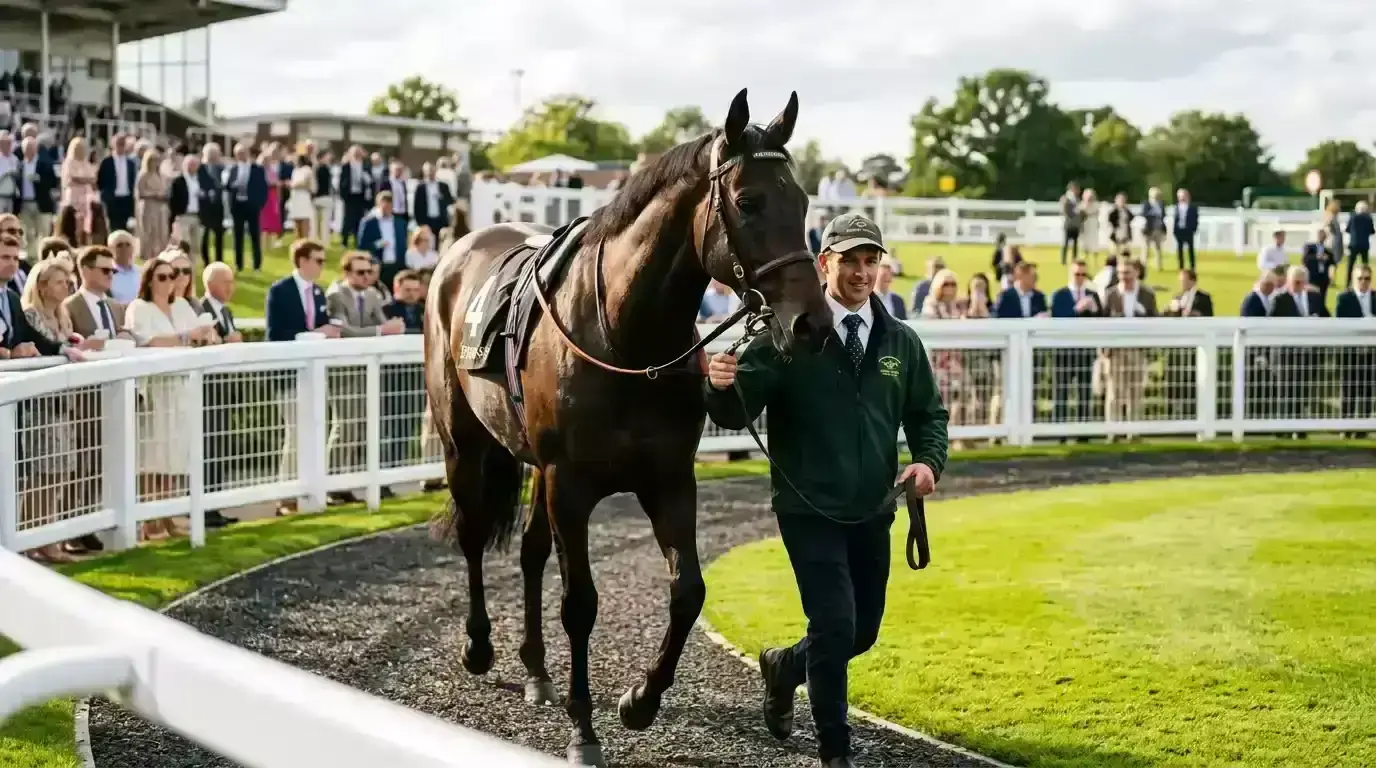
Interpreting Pre-Race Body Language and Physical Condition
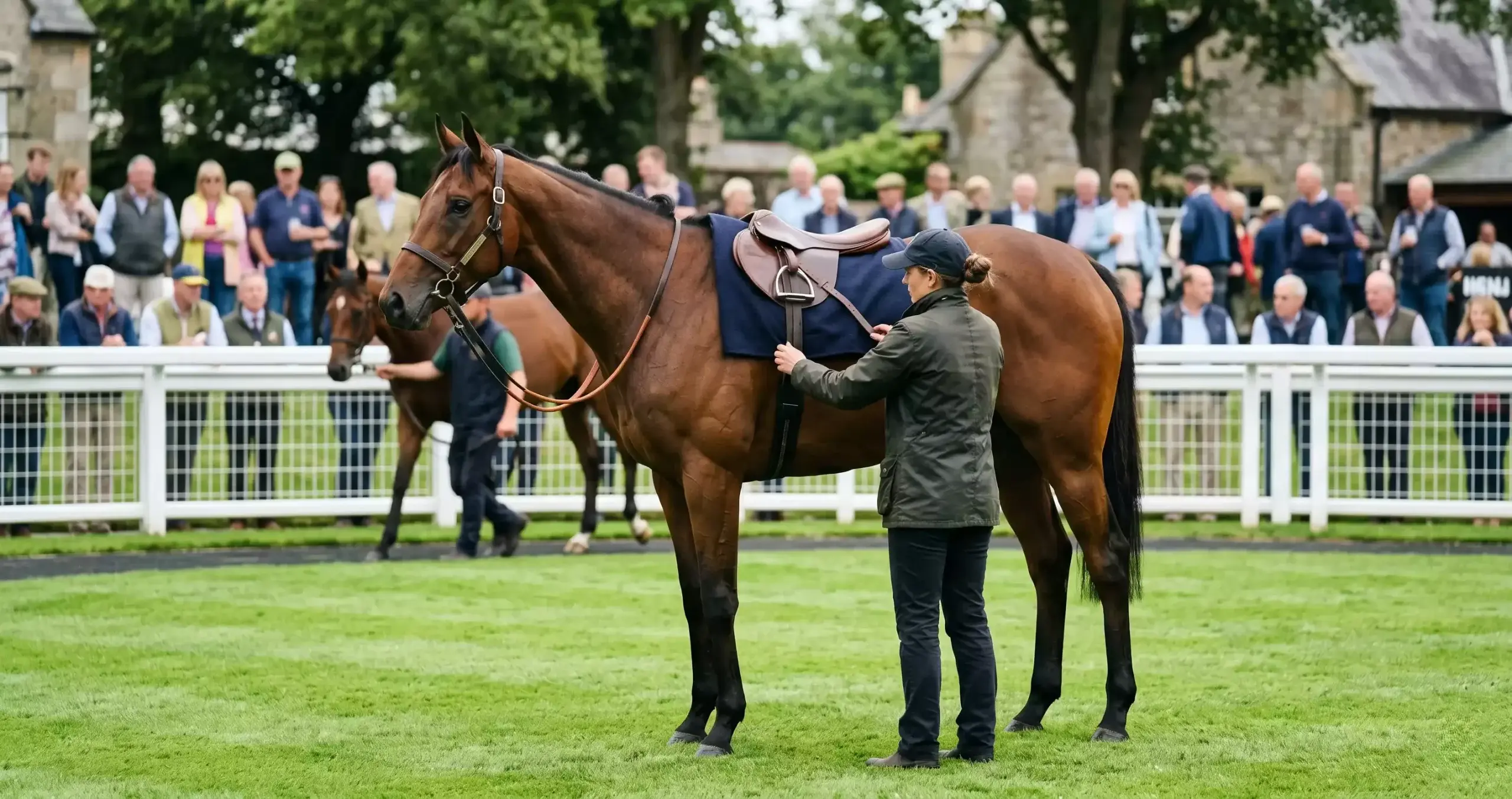
I once talked myself out of a perfectly good bet by watching the paddock. The horse I’d selected — strong form, right trip, good ground — walked into the parade ring sweating profusely, head high, jogging sideways instead of striding calmly. I left my money in my pocket. It finished third, beaten two lengths, having wasted energy before the race even started. The form was right; the horse on the day wasn’t.
That’s what paddock inspection does. It gives you real-time information about a horse’s physical and mental state that no amount of form study can provide. British racecourse attendance reached 5.031 million in 2025 — the highest since 2019 — and every one of those racegoers had the opportunity to stand by the parade ring and assess the runners before betting. Most didn’t look. Those who did, and who knew what to look for, had an informational edge that’s entirely free and available at every meeting.
Paddock assessment is not a replacement for form analysis — it’s a supplement. The form tells you what a horse can do; the paddock tells you whether it’s likely to do it today.
Five Things to Watch: Coat, Sweat, Walk, Temperament, and Muscle
Coat condition is the quickest visual indicator of overall well-being. A horse in peak condition has a coat that catches the light — a sheen that experienced racegoers call “blooming.” The hair lies flat, the skin beneath is supple, and the overall impression is of an athlete in full health. A dull, staring coat — where the hair stands slightly rather than lying sleek — suggests the horse is below par. It might be carrying a low-grade infection, recovering from a hard race, or simply not thriving in its current training regime. The dull coat doesn’t guarantee a poor performance, but it flags a question worth considering before you bet.
Sweating matters, but context determines whether it’s a positive or negative sign. Light sweating on a warm day is normal — horses sweat to regulate temperature just like humans. What you’re looking for is nervous sweat: patches behind the ears, between the hind legs, or across the chest that appear before the horse has done any physical work. Nervous sweating indicates anxiety or agitation, and an anxious horse burns energy before the race, fights its jockey, and rarely produces its best performance. A dry, relaxed horse on a warm day is a better sign than a soaked, fidgeting one.
The walk tells you about soundness and suppleness. A sound horse walks with a rhythmic, even stride — each foot landing with the same tempo and force. Any irregularity — a shortened stride, a slight favouring of one leg, a reluctance to flex a joint — suggests discomfort that may or may not affect racing performance. I’m not a vet, and I wouldn’t claim to diagnose lameness from the parade ring, but an obviously uneven walk is a signal to downgrade my confidence in that horse, regardless of what the form says.
Temperament in the paddock separates professionals from amateurs in the assessment. A calm, relaxed horse — ears moving, eyes soft, walking with a loose rein — is conserving energy and responding to its handler. An agitated horse — pulling, whipping its head, planting its feet — is spending energy it should be saving for the race. Some horses are naturally more animated than others, so the comparison should be with the horse’s own previous behaviour rather than against a universal standard. A horse that’s always sharp in the paddock and always runs well is different from a horse that’s unusually wound up compared to its normal pre-race demeanour.
Muscle tone and condition complete the picture. A horse carrying good muscle over its quarters, along its topline, and through its shoulder is physically prepared for the effort ahead. A horse that looks tucked up — drawn through the flank, with a ribby appearance — may be over-trained, under-fed, or recovering from illness. Like coat condition, muscle tone is a general wellness indicator rather than a precise diagnostic tool, but it adds to the cumulative picture you’re building of each runner’s readiness.
Red Flags in the Paddock: When to Remove a Horse From Your Shortlist
Most paddock observations are marginal — they shade your confidence up or down by a few percentage points. But certain red flags are significant enough to warrant removing a horse from your shortlist entirely, even if the form supports it.
Heavy, nervous sweating combined with agitated behaviour is the strongest negative signal. A horse that’s white with sweat, won’t stand still for the jockey to mount, and fights its handler on the way to the start has already burned a meaningful amount of energy and compromised its ability to race to its form. Academic research into horse racing markets has shown that debutant horses with positive insider information win at a rate approximately 16% higher than similarly priced rivals — and the same information asymmetry works in reverse. Sometimes the paddock tells you what the connections already know: this horse isn’t right today.
Visible lameness — however slight — is an automatic elimination. A horse that isn’t moving freely in the paddock will not move freely in the race. The stewards and veterinary team should, in theory, withdraw any horse that’s visibly unsound, but mild issues that don’t meet the threshold for withdrawal can still materially affect performance.
A dramatic change in a horse’s appearance from one run to the next — significant weight loss, a dull coat where previously it gleamed, a listless demeanour where previously it was alert — tells you something has changed in the horse’s preparation or health between runs, even if the form figures haven’t yet reflected it.
Paddock Assessment Without Being Trackside: Streams and Cameras
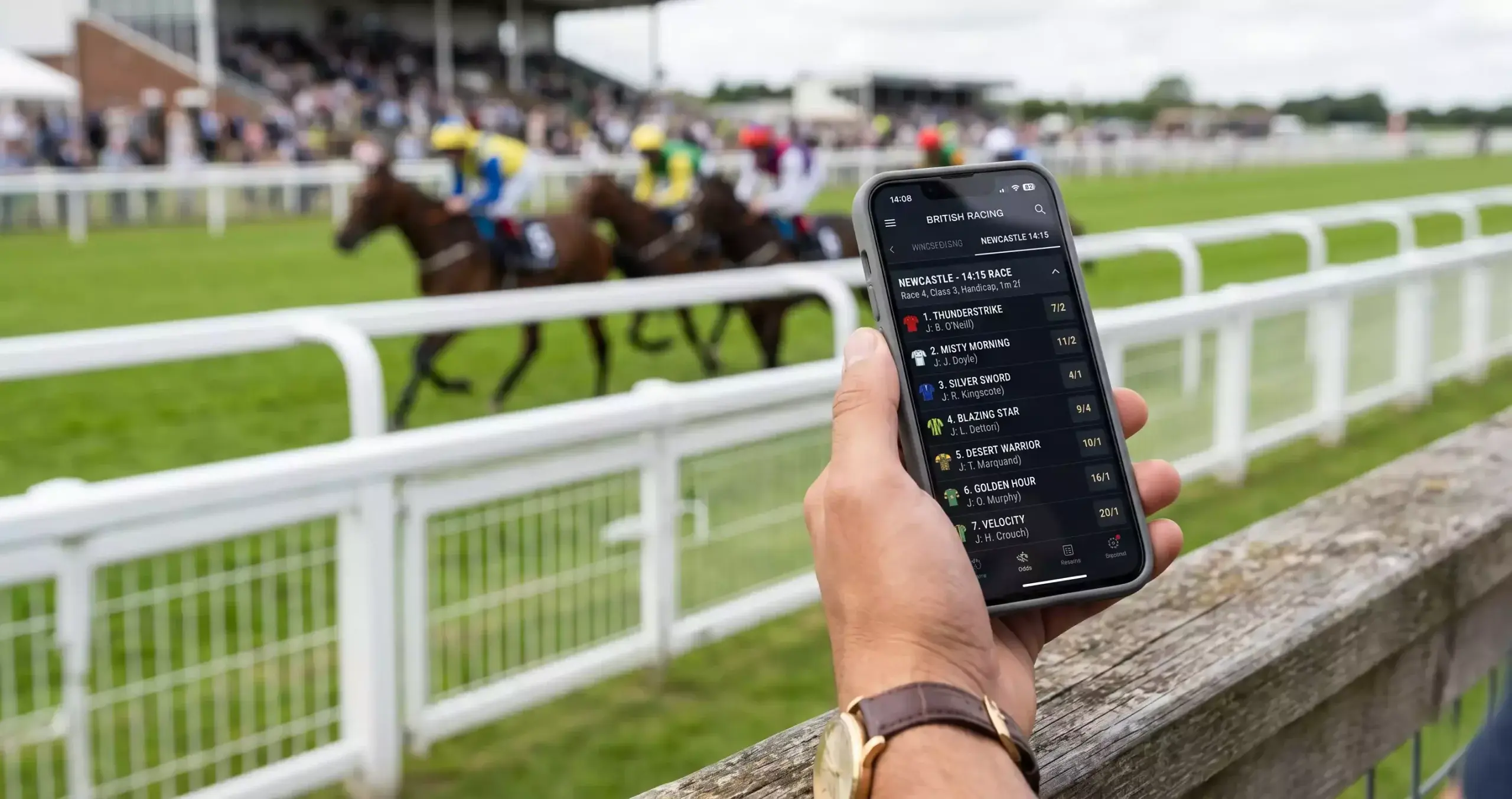
The obvious limitation of paddock inspection is that you need to be at the racecourse. Most UK bettors aren’t — they’re watching from home, from the office, or from their phone. The question is whether remote paddock assessment has any value.
The answer is: limited, but not zero. Many bookmaker live streams show the parade ring before races at major meetings, and the quality of the coverage has improved significantly. ITV Racing’s broadcast coverage regularly includes pre-race paddock shots with commentary from experienced analysts who point out horses that look particularly well or particularly below par. These observations are filtered through someone else’s judgement, but the commentators are typically experienced enough that their assessments carry weight.
Some dedicated paddock analysts share their observations on social media in real time — posting paddock reports 15 to 20 minutes before each race. Following two or three trusted paddock watchers gives you access to a version of the information that trackside bettors see, albeit secondhand and delayed. The delay is the key limitation: by the time a paddock report circulates and you act on it, the market may already have adjusted if the same information reached professional bettors at the course.
For the online bettor, my recommendation is to treat remote paddock information as a confirmation tool rather than a primary selection driver. If your form analysis supports a horse and the paddock report describes it as looking well, that’s a confidence boost. If the paddock report raises concerns about a horse you were planning to back, it’s worth pausing and reconsidering — not necessarily abandoning the bet, but perhaps reducing the stake. The paddock doesn’t override form, but it can refine your confidence in a way that adjusts your staking proportionally.