
Identifying Institutional Money Behind Drastic Price Drifts
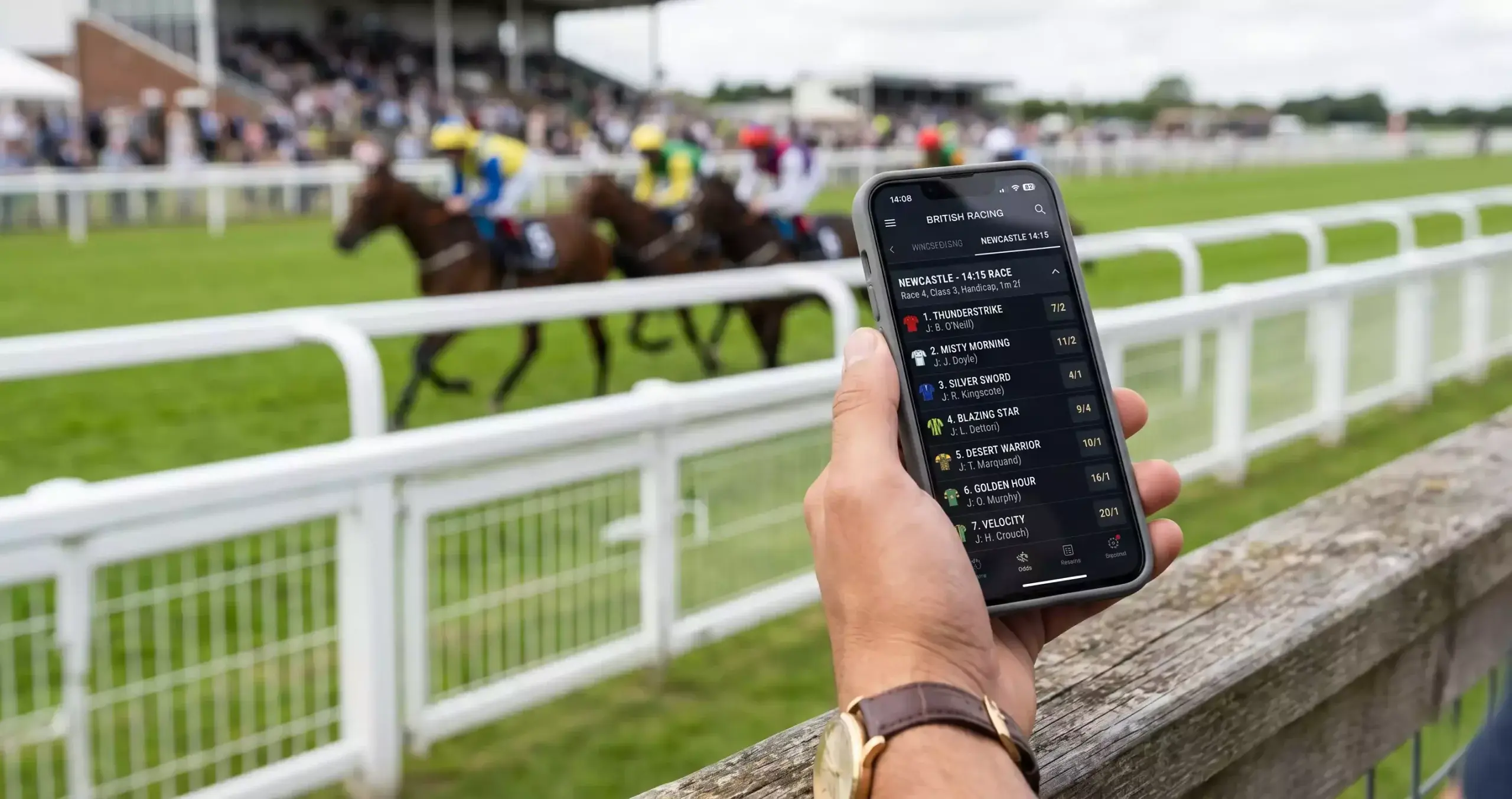
I once watched a horse drift from 5/1 to 14/1 in the final 30 minutes before a handicap hurdle at Kempton. No one on the television panel mentioned it. No visible negative — the horse looked fine in the paddock, the trainer had a solid recent record, and the form was reasonable. It finished last. Something in the market knew what the race card didn’t show. That experience taught me to treat odds movement not as noise but as information — sometimes the most valuable information available before a race.
Academic research into horse racing markets has consistently found that price movements carry genuine predictive power. A study published on ResearchGate demonstrated that previously unraced two-year-old horses had a roughly 16% higher win probability than similarly priced runners with prior form — an effect attributed to insider information flowing into the market through early morning money. The same principle applies, to varying degrees, across all horse racing markets: prices move because people with information act on it.
If you spot early market support, placing your wager with bookmakers that offer best odds guaranteed ensures you never miss out on drifting prices.
Why Odds Shorten and Drift: Money, Information, and Market Mechanics
A horse’s odds shorten — its price gets smaller — when more money is being bet on it than the bookmaker expected. This can happen for several reasons. Positive information: the horse worked brilliantly on the gallops, the trainer is confident, connections are known to bet when their horse is “expected.” Public momentum: a tipster in a national newspaper or a well-followed social media account has recommended it, driving a wave of recreational money. Or market correction: the bookmaker priced the horse too generously, and professional bettors have identified the mispricing.
A horse’s odds drift — its price gets larger — when money flows away from it. This happens when negative intelligence circulates: the horse isn’t 100% fit, the trainer’s recent form is poor, the ground conditions have changed against its preference. It also happens structurally when other horses in the same race shorten, forcing bookmakers to lengthen something else to keep their book balanced.
The academic finding about debutant horses illustrates how information asymmetry drives price movement. When a previously unraced two-year-old is backed heavily in the morning markets, that money usually comes from people close to the yard — owners, connections, work riders — who have seen the horse in training and believe it has ability that the public form book cannot yet reveal. The market processes this information through price movement, and by the time the race goes off, the starting price often reflects the insider assessment more accurately than the early morning show.
Understanding why a price is moving tells you whether to follow it. Shortening driven by insider information is a signal worth respecting. Shortening driven by a newspaper tip from a columnist with a 10% strike rate is a signal to oppose. The source of the money matters as much as the direction.
Steam Moves: When Multiple Bookmakers Cut Odds Simultaneously
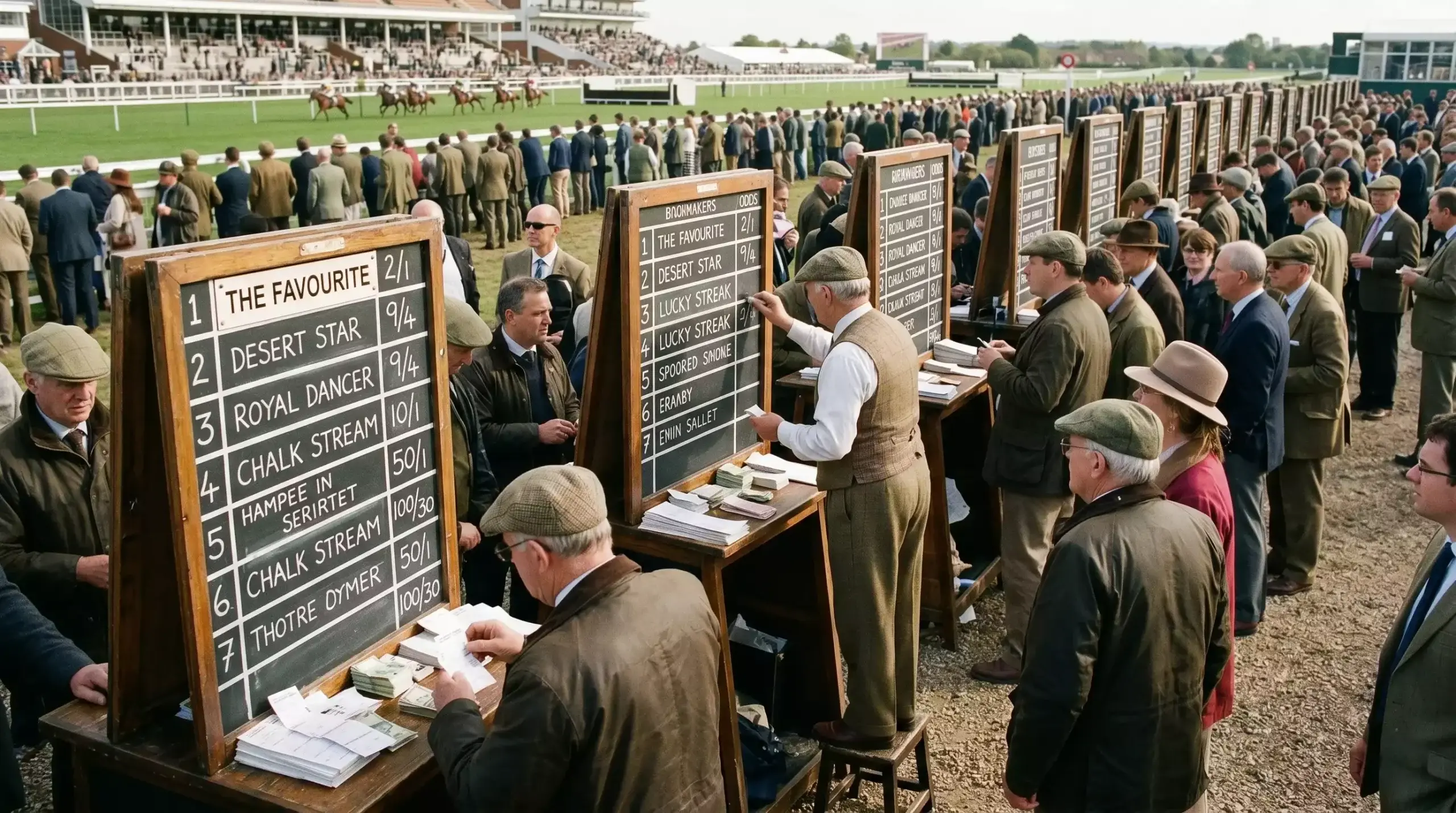
A steam move is the most dramatic form of odds movement. It occurs when multiple bookmakers cut a horse’s price within a very short window — sometimes seconds — indicating that significant, coordinated money has hit the market from multiple sources simultaneously. Steam moves are the market’s loudest signal that serious money considers a horse to have a live chance.
I track steam moves through exchange price data, which reacts faster than bookmaker odds to market pressure. When the Betfair price on a horse drops sharply in the morning and bookmakers follow by cutting their fixed-odds prices across multiple firms within minutes, that’s a steam move. The exchange functions as an early warning system because it’s a peer-to-peer market — prices move the instant money hits, whereas bookmakers may delay their response by several minutes.
Not all steam moves are created equal. A steam move on a horse in a Group 1 race at Ascot is less meaningful than the same movement in a maiden race at Wolverhampton, because Group 1 markets are deep and well analysed — the information is already widely available. Steam moves in lower-grade races, where information asymmetry is greater and the market is thinner, tend to carry more predictive weight.
The timing of a steam move matters too. Moves that happen between 8:00 and 10:00 in the morning often reflect “smart” money — professional bettors and informed connections placing bets before the market fully forms. Moves that happen in the final 15 minutes before the off are more likely to be public money following tips or chasing momentum. Both can be profitable to follow, but the morning moves have historically shown a stronger correlation with actual race outcomes.
Stay ahead of market shifts and secure the best prices using our comprehensive UK horse racing punters guide.
Should You Follow Market Movers? Evidence and Caveats
The short answer is: selectively, yes. Horses that shorten significantly from their morning price to their starting price win more often than the original morning odds implied. The market genuinely does get smarter as race time approaches, and backing horses that shorten by two or more ticks on the exchange in the final hour before the race produces a modest but measurable edge over randomly backing horses at their morning prices.
The caveats are important. Following every market mover without filter is a losing strategy because bookmakers adjust their prices to incorporate the movement — by the time you see the horse has shortened from 10/1 to 7/1, the value that existed at 10/1 is gone. You’re buying at 7/1 a horse that the market has correctly revalued to 7/1. The edge lies in catching the move early, which requires monitoring exchange markets and bookmaker price feeds in real time rather than reacting to headline tips.
Drifters — horses whose odds lengthen from their morning price — are often dismissed entirely, and that’s a mistake. Some drifts are informational: the horse genuinely has a problem, and opposing it is correct. But some drifts are mechanical: another horse in the race has been backed heavily, forcing the bookmaker to lengthen everything else to maintain margin. A horse that drifts from 8/1 to 12/1 purely because the favourite shortened is now offering better value than it was in the morning, and if your form analysis already supported it, the drift has improved your position without changing anything about the horse’s actual chance.
My approach is to use odds movement as confirmation, not as a primary selection method. If my form analysis identifies a horse as a contender and the market subsequently backs that assessment by shortening its price, the convergence of independent analyses strengthens the case. If my form analysis rates a horse and the market disagrees by letting it drift, I reassess — but I don’t automatically abandon a position just because the money went elsewhere.